
Trump’s Global Retreat Hits Home: Nairobi’s UN-Habitat Faces Uncertain Future Amid US Exit from 66 Organizations
President Donald Trump’s recent executive order withdrawing the United States from 66 international organizations has sent shockwaves through global institutions, with Nairobi-based UN-Habitat emerging as a key casualty.
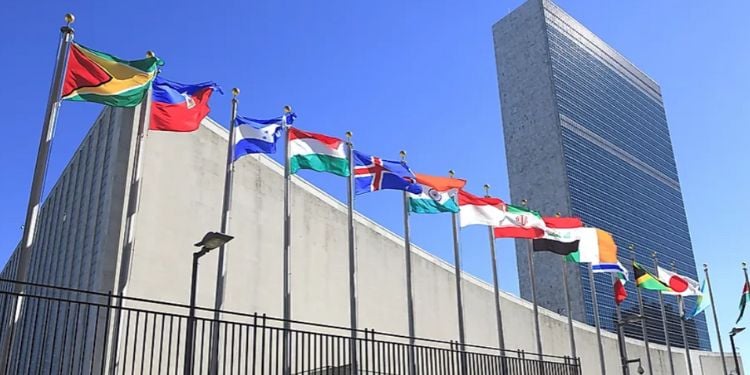
This move underscores a broader U.S. pivot away from multilateralism, potentially disrupting urban development efforts across Africa.
As a hub for UN operations in Kenya, the decision amplifies local economic and diplomatic ripple effects.
Background on the Withdrawal
Trump signed the memorandum on January 7, 2026, targeting 35 non-UN entities and 31 UN-affiliated bodies deemed wasteful or contrary to U.S. interests .
The White House cited redundancy, mismanagement, and misalignment with American sovereignty as key rationales, building on prior exits from bodies like WHO and UNESCO.
“Consistent with Executive Order 14199 and pursuant to the authority vested in me as President by the Constitution and the laws of the United States of America, I hereby direct all executive departments and agencies (agencies) to take immediate steps to effectuate the withdrawal of the United States from the organizations listed in section 2 of this memorandum as soon as possible. For United Nations entities, withdrawal means ceasing participation in or funding to those entities to the extent permitted by law,” read part C of the memorandum.
UN-Habitat, headquartered in Nairobi since 1978, faces immediate funding cuts and participation halts, as confirmed in this coverage of affected organizations .
UN-Habitat drives global sustainable urbanization, coordinating slum upgrading, housing policies, and climate-resilient city planning from its Gigiri headquarters.
Employing over 1,000 staff, it partners with Kenya on initiatives like the Big Four Agenda’s affordable housing pillar, injecting millions into local economies.
The U.S., historically a top donor, provided about 10% of its budget, funding programs in Kenya’s informal settlements like Kibera.
Direct Impacts on Kenya
Nairobi’s UN ecosystem, employing thousands and contributing 5% to GDP via expatriate spending, now braces for layoffs and scaled-back projects.
This highlights risks to ongoing urban renewal in Nairobi and secondary cities like Kisumu . Local vendors, hotels, and real estate near the UN complex could lose revenue, exacerbating post-pandemic recovery challenges.
Beyond UN-Habitat, exits from UNFCCC, UN Women, and UNCTAD threaten climate talks, gender programs, and trade forums critical to East Africa .
Developing nations like Kenya, reliant on these for aid and expertise, face funding gaps as other donors like EU states strain under increased burdens.
Critics warn of weakened responses to pandemics, migration, and inequality
UN-Habitat, a key focus of the U.S. withdrawal from 66 global organizations, specializes in urban development and now risks stalled housing projects in Kenya, particularly those tied to slum upgrading and sustainable city initiatives in Nairobi.
Similarly, UNFPA, centered on population health, faces potential reductions in family planning aid, which could hinder reproductive health programs across East Africa that rely on U.S.-funded expertise and resources.
UN-REDD, dedicated to forest conservation efforts, may see diminished support leading to growing threats in areas like Kenya’s Mau Forest, where deforestation prevention projects depend on international coordination.
UNCTAD, which promotes trade development, could create export market hurdles for Kenyan businesses, complicating access to global markets amid ongoing economic recovery efforts.
Finally, UN Women, focused on gender equality, confronts likely cuts to women’s empowerment programs, potentially slowing progress on initiatives addressing inequality in Kenyan communities.
Affected UN Bodies List
Economic Fallout for East AfricaKenya’s Vision 2030 hinges on UN partnerships for smart cities and SDGs; disruptions could delay $2 billion in projects.
Regional bodies like EAC may step in, but lack U.S.-scale resources. Businesses in Nairobi’s diplomatic quarter, from M-PESA agents to caterers, report early jitters.
Kenyan leaders express concern but pledge continuity. Foreign Affairs CS Ezekiel Mutua called for diversified funding, while opposition figures decry U.S. isolationism.
Public discourse on platforms like X ties this to Trump’s “America First,” questioning multilateralism’s viability. This aligns with Trump’s second-term agenda, echoing first-term WHO withdrawal and Paris Accord exit.
Secretary Rubio justified it as curbing “globalist agendas,” prioritizing bilateral deals. Allies like Israel applaud, but G7 partners criticize erosion of U.S.
Kenya could pivot to China, EU, or Gulf donors for UN-Habitat gaps, boosting South-South ties. Local innovation in fintech-driven urban planning offers self-reliance models.
Long-term, this may spur African Union-led alternatives to UN frameworks.Future OutlookUN-Habitat’s Nairobi operations persist short-term via multi-year pledges, but sustained U.S. absence risks downsizing.
This urges Nairobi to lobby Trump administration for exemptions, emphasizing mutual benefits in counter-terrorism and trade . Global cooperation hangs in balance as nations recalibrate.